The Inventor of the Ocarina
Otello Cavara’s 1909 interview with Giuseppe Donati, in English
In 1909 Otello Cavara visited Giuseppe Donati, the inventor of the modern ocarina, in Milan, and wrote down how he came to make it and what became of the first ocarina band. The museum’s English translation, with the Italian.
Otello Cavara’s “L’inventore dell’Ocarina”, whose title this page translates, appeared in Ars et Labor, the magazine of the Milan music publisher Ricordi, in its issue of July 15, 1909 (1909, vol. II, no. 7, pp. 493–496), with eleven photographs. The translation is the museum’s, made from the printed pages with help from Claude, Anthropic’s AI assistant, and the Italian follows it in full so that any sentence can be checked. A second, automated check has compared the translation with the Italian; no reader of Italian has checked it yet. The photographs, credited by the magazine to Sciaccaluga and one of them to Bolog[n]esi, are reproduced from the Archivio Storico Ricordi’s scan of the volume on Wikimedia Commons, which is offered under CC BY-SA 4.0, and the crops here are offered under the same license. Each is placed beside the passage it illustrates rather than exactly where the magazine set it, and its caption gives the page. The translation was first published here on October 23, 2026.
The translation
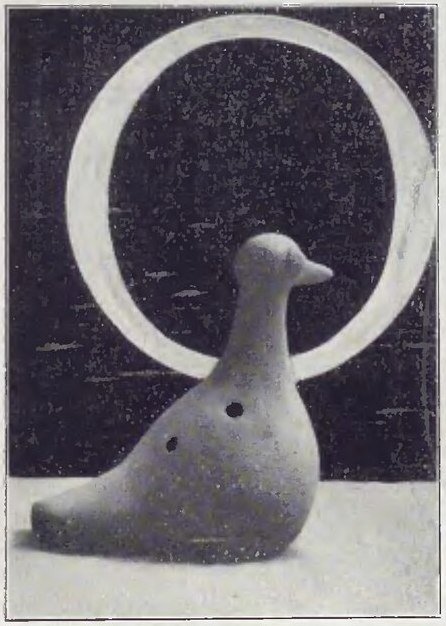
“Ocarina: a musical instrument,” says Melzi’s dictionary, “of terracotta, invented by the Bolognese Donati, 1867,1 and so called because its shape resembles a goose.”2 The ocarina, one may also say, is the instrument with which the young, rich in feeling and poor in money, expressed their first musical emotions.
Its inventor (very few people know it) is alive and in good health, although he has reached seventy-four:3 he still makes ocarinas, and tells their whole story. In doing so, Donati enjoys a privilege, that of being from Emilia: he talks about himself with a delightful irony and a skepticism that make one smile. Then he recalls charming anecdotes and lets his nostalgia for the past show. He boasts of his merits, but in moderation, and does not keep quiet about his faults. Between one sentence and the next he slips in a pleasant Bolognese saying. So he remembers a friend whose motto was per poc me an sòn brìsa: “for so little, I don’t play.”
Well, it was that motto that brought the first troubles to the first ocarina players. The band those players made up was Donati’s real success, and the road to it was a curious one.
* * *
Donati, Giuseppe by name, the son of an agent of the Hospital of Bologna, had already been through elementary school and Latin school; he had learned music theory and the piano; he played the clarinet in the band of Budrio, his native town, and the organ in the churches, when it occurred to him to make something in jest. That is, he devised a musical instrument like the terracotta ocarinas, with beaks and tails and round bellies, that are still sold at fairs. The difference between those and his was a musical one: for his ocarina,4 hollow inside, with its beak open and four holes in its sides, sounded. One could play some easy tune on it, though only within the compass of an octave.
The jest pleased the musicians of Budrio, and Donati conceived another, though this time one that made no sound. He made out of clay an object resembling a cornet. But as he went on handling it, the object broke: the mouthpiece and the pipe that carried the breath fell off. The part that survived kept a shape that revealed to Donati the definitive ocarina, the one destined for popularity. He set about making others, boring holes for all ten fingers in comfortable positions.
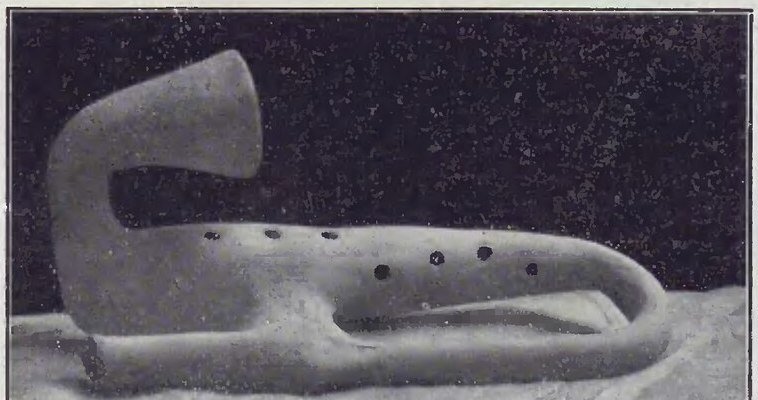
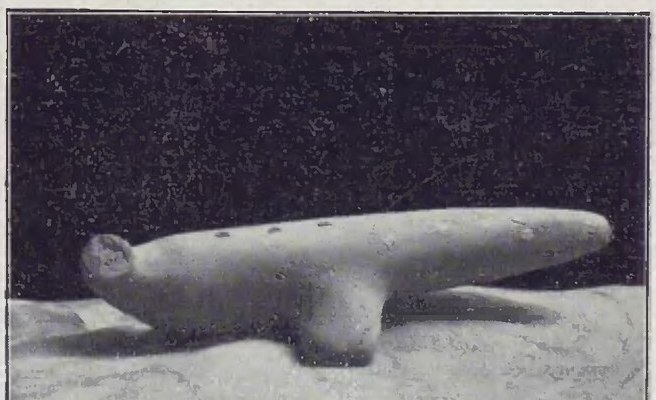
Feverish days passed for the young inventor, then seventeen years old.5 All Budrio followed him and pinned its hopes on him. Today’s city of ocarinas, and of tagliatelle too, so dear to the Bolognese that they make it the goal of their holiday outings, sensed its destiny. Donati’s ocarina did indeed bathe it in glory…
* * *
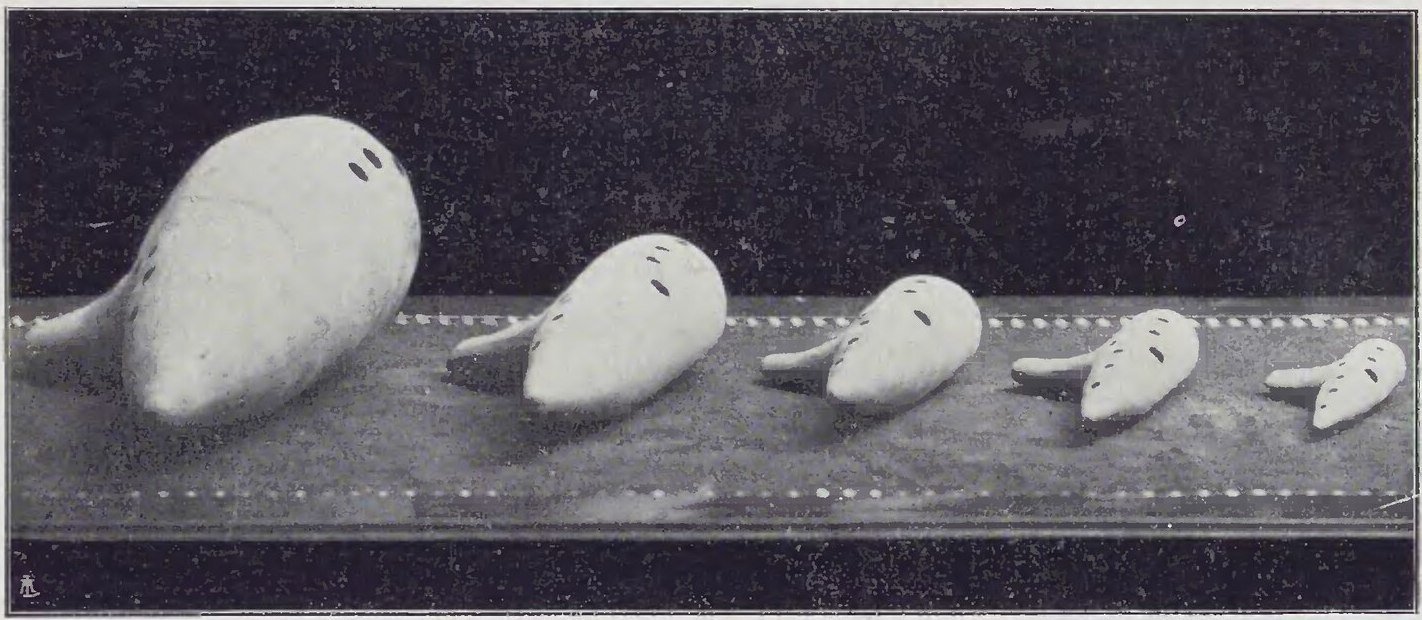
The first flash of light enveloped the town when Donati had finished five ocarinas of different sizes which together, from low to high, covered a range of notes equal to the piano’s. The five instruments went to as many players, chosen from among the keenest musicians of Budrio, Donati among them. They formed the Concerto delle ocarine, the ocarina band, and made the town happy for some weeks, going around every evening to play in taverns and private houses. At first their repertory was nothing but dance music; then it rose to opera as well. The band played nothing less than the Miserere from Il Trovatore and the Prelude to La Traviata. Its fame soon passed beyond the town walls and reached places many kilometers away: Molinella, for one.
A company of comic actors was playing at the theater in Molinella at the time, but business was bad: the public stayed away and the actors went hungry. Some show was needed to bring people in, and there it was: the ocarinas of Budrio!
The impresario of the unlucky theater went to negotiate with the ocarina players, offering them their journey and supper free. It was only eight kilometers from Budrio to Molinella, and the offer tempted the players. The night of the concert was unforgettable for the players and for Molinella. The theater: “a packed house.” The players collected countless rounds of applause, and the actors so much money that it gave them the means never to be seen again.
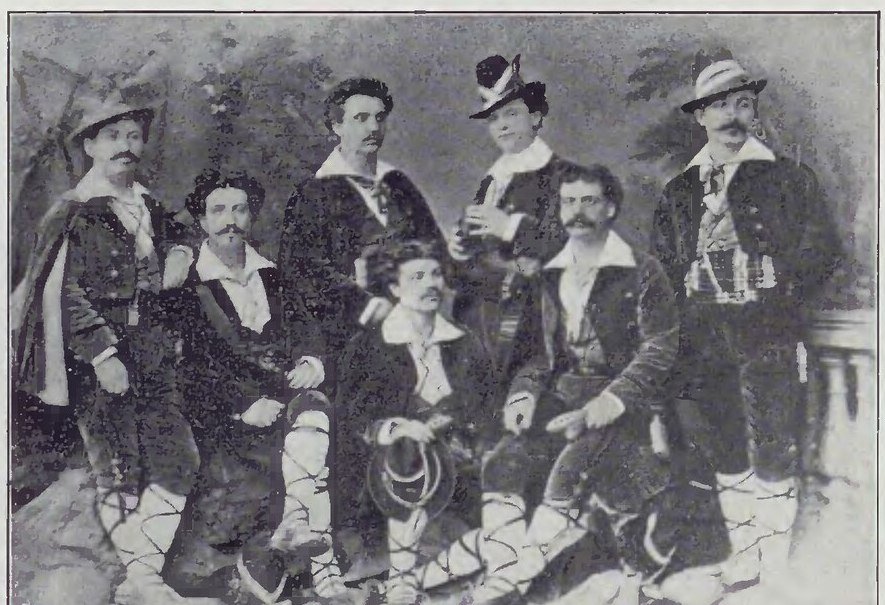
Having begun with an act of charity brought the players luck. Their success was reported at once by a Bologna newspaper. From that city the owner of the Teatro Brunetti set out for Budrio straight away. The shrewd owner engaged the quintet for two concerts at two hundred lire a head. It was a triumph. The audience demanded the whole program again. The quintet’s fortune was made. From Bologna it went on to Ferrara, then to Padua and Trieste. There the first setbacks began: the impresario kept the takings for himself. The players thought that playing for nothing was too little. So they found a less selfish impresario, who engaged them for Rome. It was an unusual engagement: they were to play pieces in the intervals of the opera Rigoletto, at the Argentina, and all at seventy lire for each player.
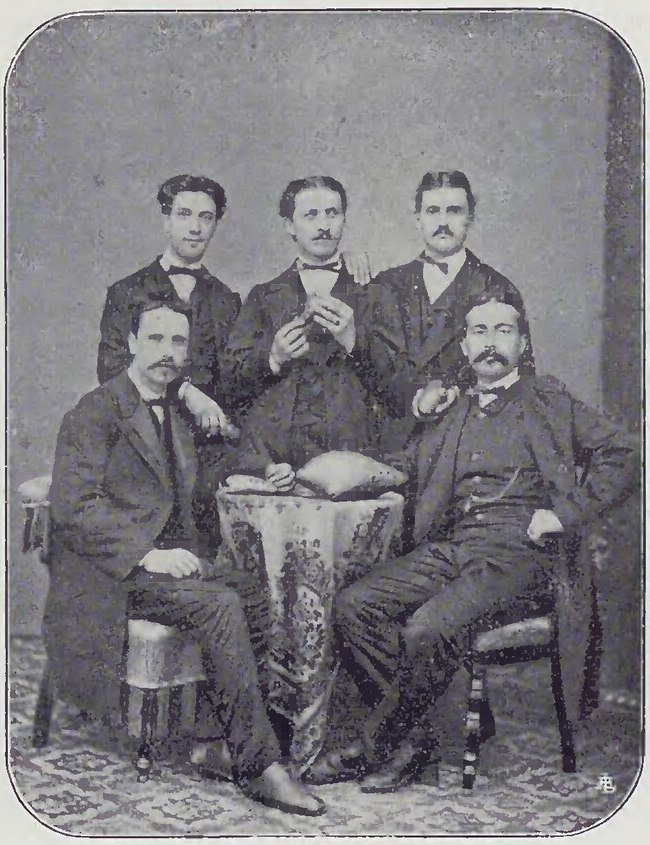
After their stay in Rome, the players are on their way home. As they pass through Fano, a fellow townsman invites them to give a concert in the theater there. But the fee (two hundred lire in all: more is not possible) does not satisfy the bass, who for the first time pronounces his motto: “Me per poc an sòn brìsa!” The concert does not take place, and the quintet goes on its way, unsettled now by bad feeling. At Rimini another fellow townsman makes the players the same offer they had in Fano, on identical terms. But the bass steps in and repeats: “Me per poc an sòn brìsa!” Things take a bad turn. The bass has a difficult character. The quintet is no longer in harmony as it was; it plays out of tune, and it is split into two camps, one of them represented by the proud bass. Luckily the company falls in with a troupe of Chinese conjurers and goes with them to Trieste to give shows. At Trieste, another split, between the players and the Chinese. The Chinese do not honor their contract, and the others go back to Budrio.
The quintet dies where it was born.
The inventor of the ocarina went back to making the clay instrument. Every Sunday he went to sell them at the nearby fairs, with excellent success. He also managed to strike some splendid deals with merchants from Germany and Austria. Later he moved the workshop from Budrio to Bologna, and, after many years, from Bologna to Milan.
Thousands of ocarinas have come from his hands; thousands of lire he has pocketed.
* * *
Donati says now: “Fui ricco ma a·i-ho ciapé dal gran batoust!” (“I was rich, but I have taken some heavy blows!”)6 By this he means that many family misfortunes have made great holes in his finances.
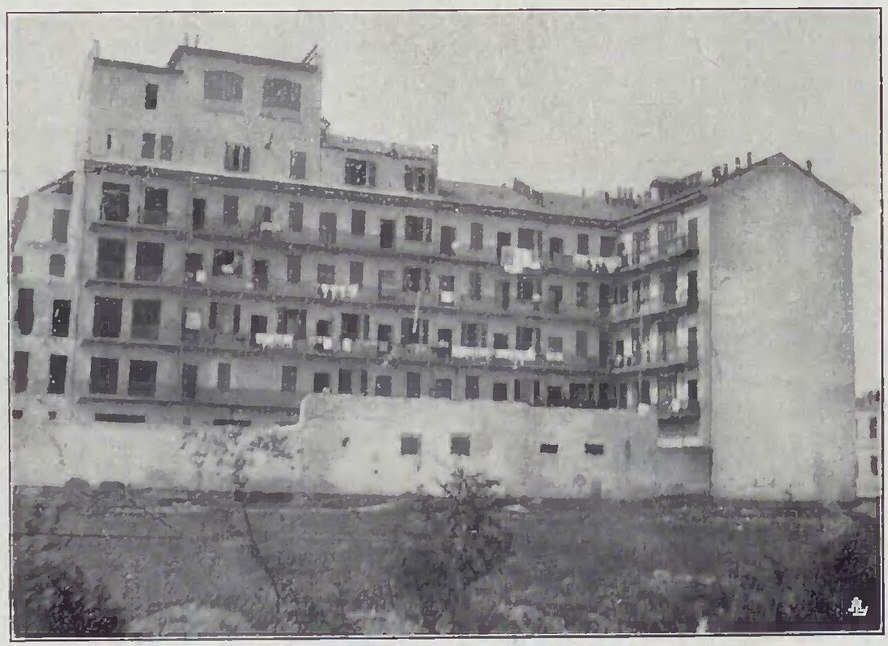
Until a short time ago the old man lived in one room of the houses, now being demolished, in Via Palestrina. We paid him a visit. The inventor was one of those evicted; he was anxious at not being able to find a home, and afraid of becoming one of the “homeless.” For him, moving was a great problem: where to find another kiln to fire his ocarinas in.
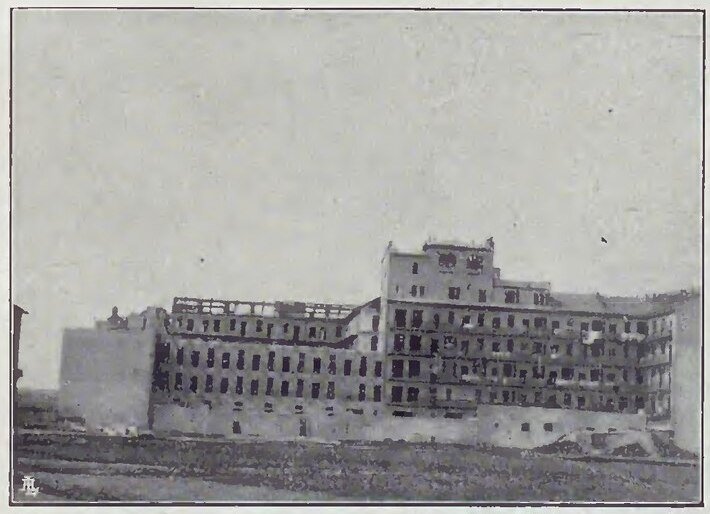
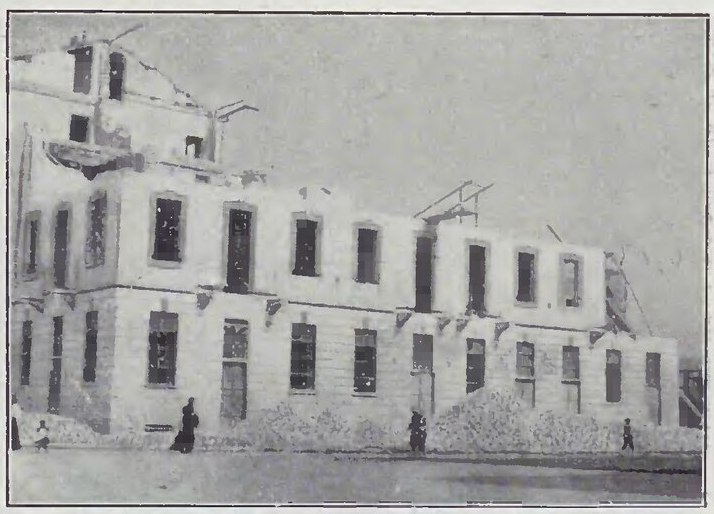
In Via Palestrina he looked like one of those mysterious old men of legend who seek the elixir of eternal life: a great dressing gown wrapped around his long, bony body, and a dark nightcap on his head. The gown was as old as he was, dyed in dark colors, various and indefinite; worn through and greasy.
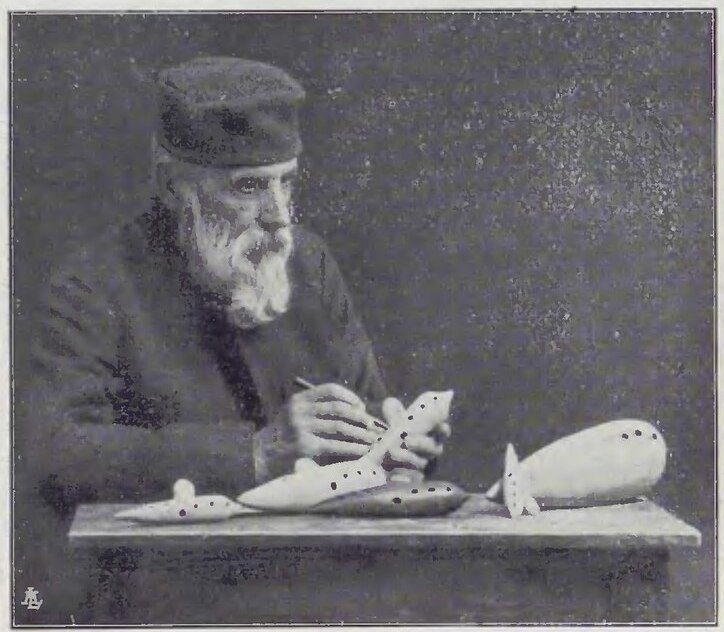
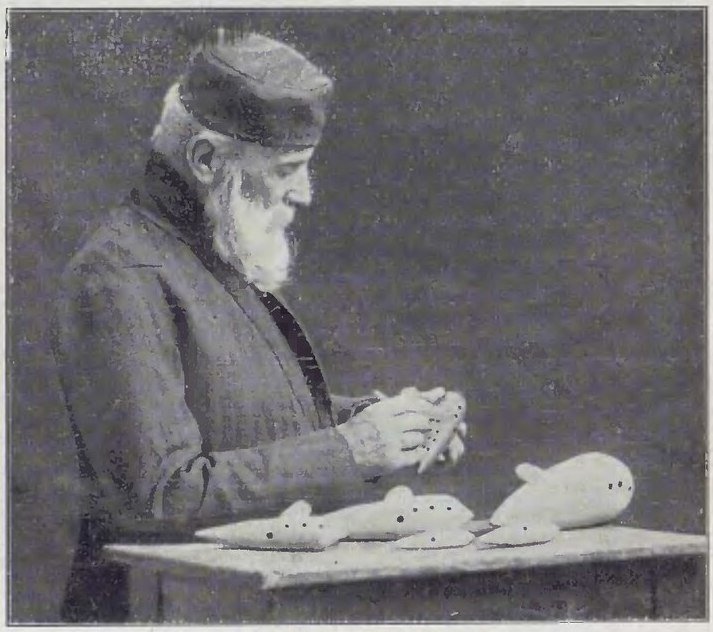
And the face of a man in his seventies was brought alive by his eyes, shining, quick, and sharp; by the whiteness and the flow of his beard; by his witty, Petronian expression…7
Instead of potions, he had around him ocarinas, tweezers, molds, and blocks of clay.
He worked as though he were eighteen: he was ending as he had begun.
Otello Cavara
The Italian text
Transcribed from the page images. The magazine prints its quotation marks in several forms; they are given here as « ». Words broken at the end of a line are joined. The opening O of Ocarina is printed as the ring in the first photograph, which is why the definition has a closing » and no opening one; the letter in brackets in Bolog[n]esi prints broken. The captions are run together here, joined by the museum’s dashes.
[p. 493] L’INVENTORE DELL’OCARINA — (FOTOGRAFIE SCIACCALUGA). — LA PRIMA OCARINA. — UNA NUOVA IDEA. — MUTILAZIONI RIVELATRICI.
Ocarina: strumento musicale - dice il vocabolario del Melzi – di terra cotta, inventato dal bolognese Donati – 1867 — e così chiamato per la sua forma rassomigliante ad un’oca ». L’ocarina, si può anche dire, è lo strumento col quale i giovani, ricchi di sentimento e poveri di quattrini, espressero le loro prime emozioni musicali.
Il suo inventore – ben pochi lo sanno – vive in buona salute, benchè abbia raggiunto i settantaquattro anni: fabbrica ancora delle ocarine e ne racconta la vita e i miracoli. Per fare questo il Donati gode un privilegio: quello di essere emiliano, racconta di sè stesso con un’ironia gustosa, con uno scetticismo che fanno sorridere. Poi ricorda aneddoti graziosi, e rivela la sua nostalgia pel passato. Vanta con misura i suoi meriti e non tace i suoi difetti. Tra una frase e l’altra, intercala un piacevole motto bolognese. Così ricorda un amico il cui motto era: « per poc me an sòn brìsa »: « per poco io non suono ».
Ebbene, fu quel motto che procurò i primi dispiaceri ai primi suonatori d’ocarine. Il concerto composto da quei suonatori, costituì il successo vero del Donati e curiosa fu la via per arrivarvi.
* * *
Donati, di nome Giuseppe, figlio di un agente dell’Ospedale di Bologna, aveva già percorso le scuole elementari, di latino; aveva imparato la teoria musicale e il pianoforte; suonava il clarino nella banda di Budrio — sua città nativa — e l’organo nelle chiese; quando gli venne in mente di fare uno scherzo. Immaginò, cioè, uno strumento musicale simile alle ocarine di terra cotta che si vendono ancora nelle fiere, col becco, colla coda e panciute. La differenza tra queste e quella era di genere musicale. Poichè l’ocarina, vuota internamente, col becco aperto e con quattro fori ai fianchi, suonava. Con essa si poteva eseguire qualche facile melodia, contenuta però nell’estensione di un’ottava.
[p. 494] UNA FAMIGLIA D’OCARINE. — I SUONATORI DI BUDRIO.
Lo scherzo piacque ai musicanti di Budrio e il Donati ne concepì un altro, stavolta, però non sonoro. Eseguì con della creta un oggetto somigliante a una cornetta. Ma continuando a maneggiarlo, l’oggetto si spezzò: caddero l’imboccatura e la canna conduttrice del fiato. La parte superstite mantenne una forma tale che rivelò al Donati l’ocarina definitiva, quella destinata alla popolarità. Egli si diede a fabbricarne altre forando buchi per tutte le dieci dita in posizioni comode.
Trascorsero giorni febbrili pel giovane inventore, allora diciassettenne. Tutta Budrio lo seguiva e sperava in lui. L’odierna città delle ocarine, nonchè delle tagliatelle, tanto cara ai Bolognesi che la scelgono a mèta di loro passeggiate festive, presentiva il suo destino. L’ocarina del Donati, infatti, la circonfuse di gloria…
* * *
Il primo sprazzo di luce l’avvolse quando il Donati ebbe compiute cinque ocarine, di grandezze diverse, le quali comprendevano insieme, tra bassi e acuti, un’estensione di note pari a quella del pianoforte. I cinque istrumenti passarono ad altrettanti suonatori scelti fra i più appassionati musicanti di Budrio, tra i quali il Donati. Essi formarono il « Concerto delle ocarine » e crearono la felicità del paese per qualche settimana, andando intorno, tutte le sere, a suonare in osterie e in case private. Il loro repertorio dapprima non comprendeva che musica da ballo, poi assurse anche alla musica da opera. Il concerto eseguiva nientemeno che il Miserere del Trovatore e il Preludio della Traviata. La sua fama oltrepassò ben presto le mura cittadine, giungendo a molti chilometri di distanza: per esempio a Molinella.
Nel teatro di Molinella agiva, allora, una compagnia di comici, ma gli affari andavano male: il pubblico disertava e i comici digiunavano. Occorreva qualche spettacolo che richiamasse gente: ecco trovato: le ocarine di Budrio!
L’impresario del teatro disgraziato si recò a parlamentare coi concertisti di ocarine, offrendo loro viaggio e cena gratuiti. Non c’erano che otto chilometri da fare tra Budrio e Molinella e la proposta attrasse i suonatori. — Serata indimenticabile fu per i suonatori e per Molinella quella del concerto. Il teatro: « un pienone ». Si raccolsero innumerevoli applausi per i concertisti e tanti quattrini per i comici da offrire il modo a costoro di non farsi mai più vedere.
[p. 495] Fot. Bolog[n]esi. — L’INVENTORE. — IL BASSO. — LE CASE DI VIA PALESTRINA IN MILANO OVE ABITAVA L’INVENTORE — UN ANGOLO IN DEMOLIZIONE
L’aver cominciato con un atto di carità, portò fortuna ai concertisti. Il loro successo venne segnalato subito da un giornale di Bologna. Da questa città partì immediatamente alla volta di Budrio il proprietario del teatro Brunetti. Il sagace proprietario scritturò il quintetto per due concerti a duecento lire a testa. Fu un trionfo. Il pubblico volle la replica di tutto il programma. La fortuna del quintetto era fatta. Da Bologna questo passò a Ferrara, poi a Padova e a Trieste. Qui incominciarono le prime contrarietà: l’impresario teneva per sè gl’incassi. I suonatori pensarono che suonare per niente era troppo poco. Trovarono allora un impresario meno egoista che li scritturò per Roma. La scrittura era originale: si trattava di eseguire dei pezzi tra un intermezzo e l’altro dell’opera Rigoletto, all’Argentina, e tutto ciò a settanta lire per ogni suonatore.
Dopo il soggiorno a Roma ecco i suonatori sulla via del ritorno. Passando per Fano un loro concittadino li invita a dare un concerto in quel teatro. Ma il compenso – duecento lire in tutto: più di così non è possibile – non soddisfa il basso, il quale pronuncia per la prima volta il suo motto: « Me per poc an sòn brìsa! ». Il concerto non si dà e il quintetto continua la propria strada, ormai agitato da malumori. A Rimini un altro concittadino rinnova ai concertisti la proposta rivolta loro a Fano, nelle identiche condizioni. Ma il basso interviene e ripete: « Me per poc an sòn brìsa! ». Le cose prendono una brutta piega. Il basso ha un carattere difficile. Il quintetto ormai non è più in accordo come prima, stuona, è diviso in due tendenze, una delle quali è rappresentata dal fiero basso. Per fortuna la comitiva s’incontra in una compagnia di cinesi — giuocatori di prestigio — colla quale si reca a Trieste a dar spettacoli. A Trieste altra scissura tra suonatori e cinesi. Questi non rispettano i patti contrattuali e gli altri tornano a Budrio.
Il quintetto muore dov’era nato.
L’inventore dell’ocarina tornò alla fabbrica dello strumento di creta. Si recava ogni domenica a venderne alle fiere dei dintorni, con ottimo successo. Riescì anche a combinare degli splendidi affari con commercianti di Germania e Austria. Trasportò poi la fabbrica da Budrio a Bologna, e — dopo molti anni — da Bologna a Milano.
Migliaia di ocarine sono uscite dalle sue mani, migliaia di lire egli ha intascato.
* * *
Donati ora dice: « Fui ricco ma a·i-ho ciapé dal gran batoust! » Con ciò egli vuol dire che molte sventure di famiglia hanno aperto dei gran buchi nelle sue finanze.
[p. 496] NELLA VECCHIAIA: ANCORA DIFFICOLTÀ! — FINISCE COME HA COMINCIATO. — IN VIA PALESTRINA - UN ANGOLO SUPERSTITE.
Fino a poco tempo fa il vecchio viveva in una stanza delle case, ora in demolizione, di via Palestrina. Gli facemmo visita. L’inventore era uno degli sfrattati, si angustiava per non poter trovar casa, temeva di diventare un « senza tetto ». Per lui cambiar casa era un gran problema: dove trovare un altro forno per cuocervi le ocarine.
Egli in via Palestrina sembrava uno dei vecchi misteriosi, leggendarî, che cercano l’elisir per vivere in eterno: con una gran veste da camera avvolta intorno al corpo ossuto e lungo, con una oscura berretta da notte in capo. La veste era antica come lui, tinta di colori oscuri, varî, indeterminati; sdruscita e unta.
E il suo volto settantenne era avvivato dagli occhi lustri, mobili, acuti; dal candore e dalla fluidità della barba; dalla sua espressione arguta, petroniana…
Invece di filtri aveva intorno ocarine, pinzette, stampi, blocchi di creta.
Lavorava come avesse avuto diciotto anni: finiva come aveva cominciato.
OTELLO CAVARA.
Footnotes
The year is the dictionary’s, which Cavara is quoting. The article gives no year of its own for the invention.↩︎
Oca is Italian for goose.↩︎
As printed. Barry Jennings’s History of the Ocarina, on this site, gives Donati’s birth as December 2, 1836, which would make him seventy-two in July 1909.↩︎
The Italian says l’ocarina, “the ocarina”. It follows “la differenza tra queste e quella”, the difference between these (the fair ocarinas, plural) and that one (his, singular), and the singular is read here as his.↩︎
Apart from the dictionary’s 1867, which Cavara quotes, this is the only indication in the article of when the instrument was made.↩︎
The second half, from a·i-ho, is Bolognese dialect, like the bass’s motto. The English gloss is the museum’s; the sentence after it is Cavara’s own explanation.↩︎
petroniana: most likely “Bolognese”, after San Petronio, the patron saint of Bologna, as the word is commonly used. It could also allude to the Roman satirist Petronius.↩︎